
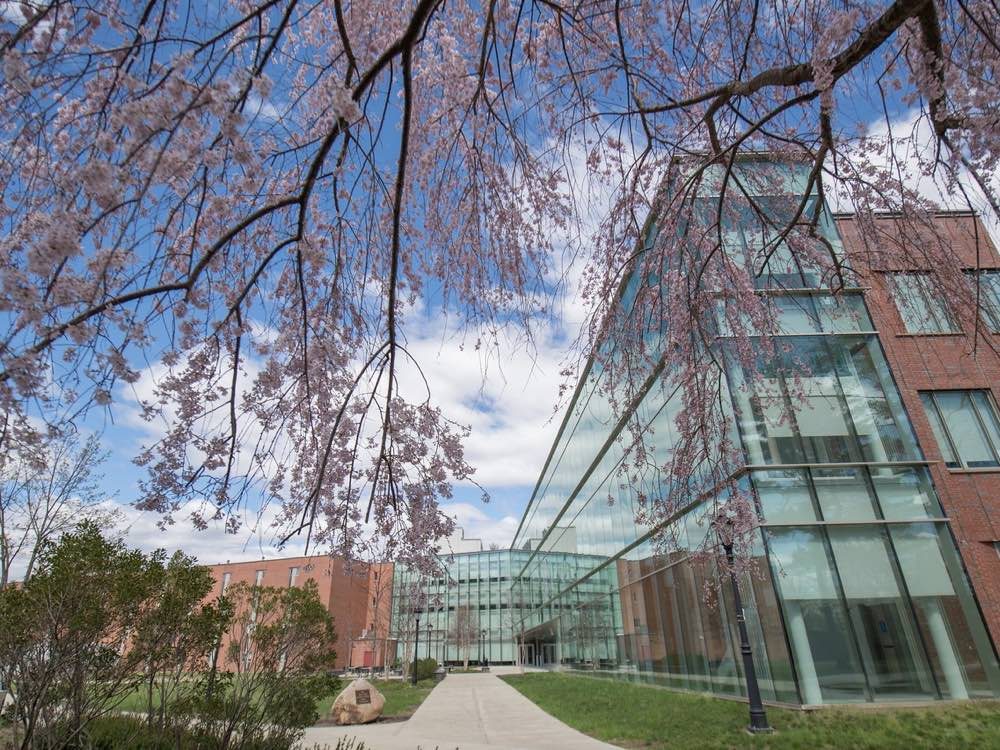
Westfield State University Physician Assistant Program
Westfield, Massachusetts · Masters
Check my fit with this school
Check three basics
Enter any GPA or patient care hours you know. We’ll compare them with this school’s published numbers. This is a starting point, not an eligibility decision.
The quick check needs JavaScript.
A closer look
A Massachusetts PA program emphasizing evidence-based, patient-centered care and clinical preparation across regional healthcare settings.
Mission & approach
The Westfield State University Physician Assistant Program seeks excellence in educating a diverse student body of compassionate, culturally aware healthcare providers who are prepared to practice in a patient-centered team assuring care to all citizens of the Commonwealth of Massachusetts and beyond.
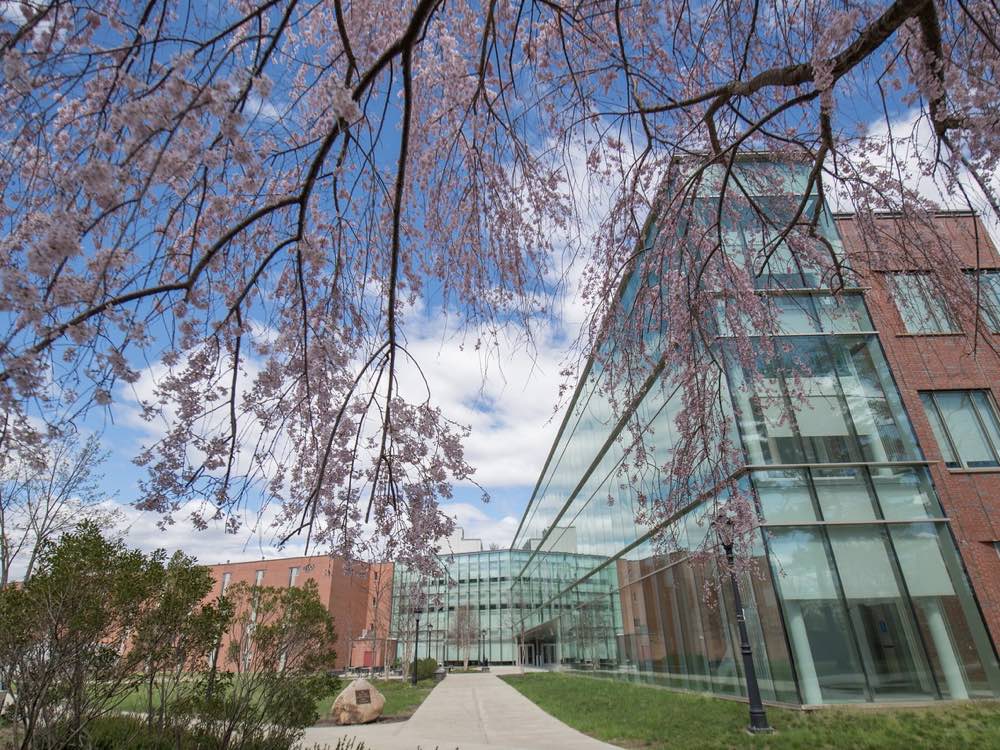
Admissions insights
What this program looks for in applicants
Holistic scored review: overall/prereq/science GPA, coursework rigor & progression, references, quantity & quality of healthcare experience, personal statement (PA role understanding, mission fit), leadership/service, extracurriculars, military service. Interview guarantee for MA public 4-year grads with GPA >=3.6. Only public PA program in New England.
Summarized from the program’s admissions information. Confirm current selection criteria with the program.
Program admissions informationHow this program interviews
Westfield State's PA admissions committee invites selected applicants to interview on the university's own campus, where candidates meet with a faculty member and a PA alumnus during one of two interview days held each November.
Source checked Aug 1, 2026. Interview formats and dates can change between cycles.
Program interview informationAdmissions & prerequisites
Admission requirements
Prerequisite coursework
Semester credits unless notedReview each course, its lab, and the program’s policies. Your links are planning records; the program decides equivalency.
| Course | Credits | Lab | Min grade |
|---|---|---|---|
| Human Anatomy and Physiology I and II with labs2 course(s) | Not publishedSemester credits unless noted | Required | C |
| Microbiology with lab | Not publishedSemester credits unless noted | Required | C |
| Genetics | Not publishedSemester credits unless noted | Not specified | C |
| Biochemistry | Not publishedSemester credits unless noted | Not specified | C |
| University-level Statistics1 course(s) | Not publishedSemester credits unless noted | Not specified | C |
| University-level Psychology1 course(s) | Not publishedSemester credits unless noted | Not specified | C |
Biological, Chemical and Physical Sciences totalCourse notes & alternativesAggregate requirement includes the required science subjects listed above; not an additional 30 credits. | 30Semester credits unless noted | Not specified | C |
Policies that can change your plan
- Total science credits across all courses
- Required sciences count toward the 30-semester-hour total; do not count a course twice.
All prerequisites must be within ten years, with a minimum prerequisite GPA of 3.0. Individual science subject credit minimums are not stated, but thirty semester hours of science are required in total. Labs must be on campus, except online labs completed in 2020–2021. Pass/fail is accepted for 2020 courses.
When courses must be complete: Complete all coursework, your degree, all prerequisites, and CASPA verification by the August 1 application deadline.
Dates & application steps
The prior-cycle deadline of 2026-08-01 has passed; the next deadline is not published.
Know what the total includes
Published cost estimate
Full-program costPublished nonresident full-program tuition
The $111,600 shown covers tuition and fees together for the two years for students who entered in January 2026, plus a $1,000 enrollment fee at the start. Students entering in January 2027 pay $114,360 for tuition and fees, plus a $125 fee and the $1,000 enrollment fee. The program does not list tuition and fees separately.
Curriculum & clinical training
Didactic instruction
Organ-system medicine, clinical integration, evidence-based care and professional practice.
Clinical training
Supervised practice, clinical seminars and a capstone complete the required sequence.
The full-time program lasts 24 months and totals 120 credits. Terms are labeled by season, without phase lengths in months.
The admitted class
Class of 2027
Published class statisticsPrerequisite GPA (3.76) is a separate category and is not a science GPA.
Compare published cohorts
| Class | Published GPA | Published science-related GPA | Published experience hours |
|---|---|---|---|
| Class of 2027 | 3.71 | Not recorded | 3,700Average patient-care hours |
Published class statistics describe the named cohort or population. They are not admission minimums or acceptance probabilities.
The program’s track record
Graduate outcomes
PANCE pass rates
See first-time program performance with clearly dated national context.
- First-time PANCE pass rate: 100%
- Five-year first-time PANCE pass rate: 94%
Accreditation history
ContinuedSources you can open
Links to the program’s own pages and the official directories we use.
- ARC-PA currently accredited programs — sponsoring-institution directory
- Program contact page
- Westfield cohort statistics
- Westfield State University PA coursework requirements
- Westfield State University curriculum
About the U.S. News rank
The U.S. News PA rank uses the 2025 PA edition, matched to the listed program and campus. It reflects peer-assessed reputation, not admissions odds or a personal fit score. Programs without a separate entry are labeled “Unranked.”
How competitive are you for this program?
Match AI compares your full profile with this program and every other one, then sorts your list into Reach, Target and Safety.