
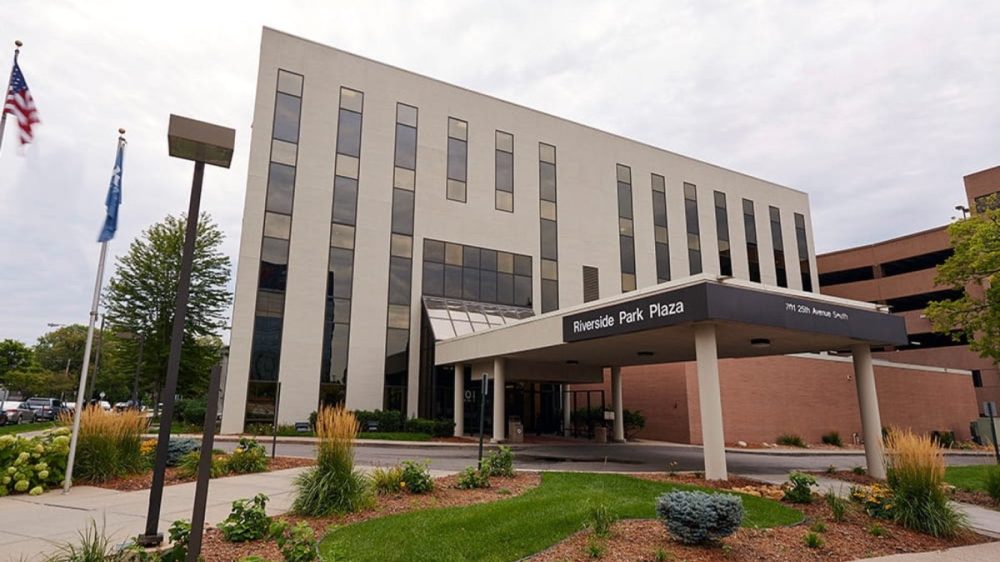
A closer look
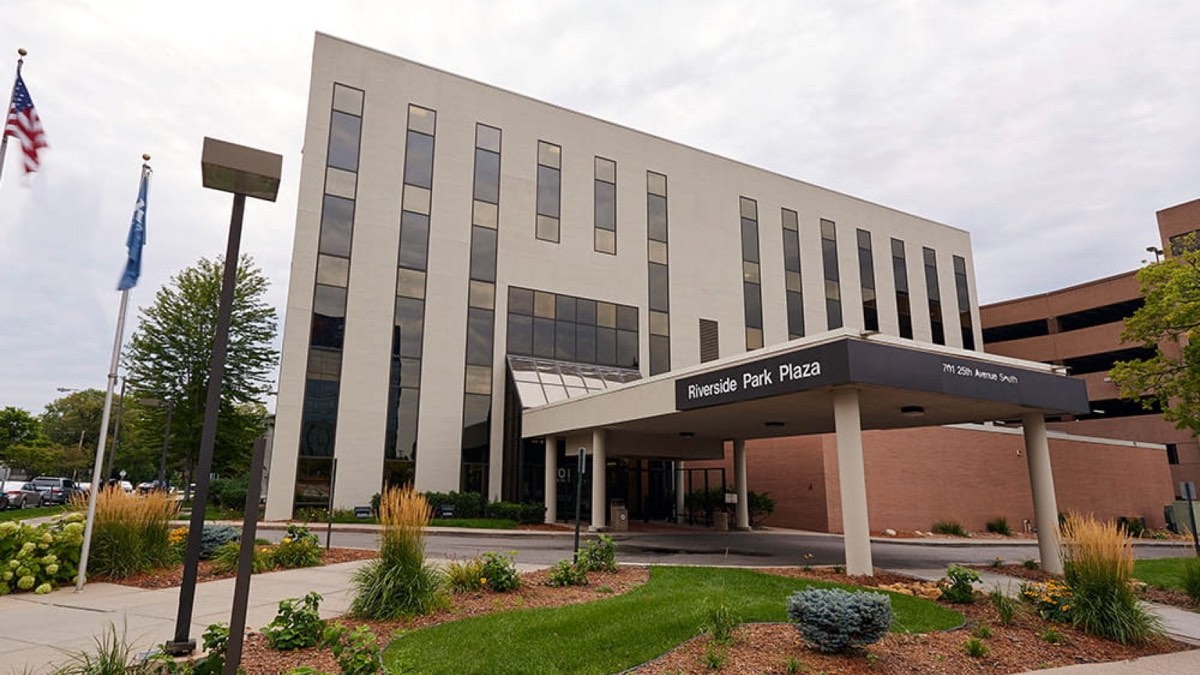
Primary-care-focused PA program with classrooms on a medical campus adjacent to Augsburg University in Minneapolis.
Mission & approach
The mission of the Augsburg PA program is to educate empathic, community-minded, and forward-thinking health care leaders to practice in primary care with a focus on underserved, underrepresented, and marginalized communities.
Check my fit with this school
Check three basics
Enter any GPA or patient care hours you know. We’ll compare them with this school’s published numbers. This is a starting point, not an eligibility decision.
The quick check needs JavaScript.
Admissions insights
What this program looks for in applicants
Blind review (age/race/gender not considered). Decision criteria: mission match, academic ability, understanding of the PA role, interview, and personal statement. Min 3.0 cumulative & science GPA; grade B or better in prerequisites; 2,000 hrs paid hands-on patient care. (Source: augsburg.edu PA admissions)
Summarized from the program’s admissions information. Confirm current selection criteria with the program.
How this program interviews
Interviews take place on campus between September and November, where candidates meet program faculty, staff, and current students and tour the facilities; the specific interview format is not published.
Source checked Aug 1, 2026. Interview formats and dates can change between cycles.
Program interview informationAdmissions & prerequisites
Admission requirements
Prerequisite coursework
Semester credits (ranges listed)Review each course, its lab, and the program’s policies. Your links are planning records; the program decides equivalency.
| Course | Credits | Lab | Min grade |
|---|---|---|---|
Human/vertebrate/organ PhysiologyCourse notes & alternatives3–4 credits; complete a full physiology course. If you take combined A&P I, you need both A&P I and II. Science-major level. Check course equivalency with the program. A physiology lab is not specified. | Not publishedSemester credits (ranges listed) | Not specified | B |
MicrobiologyCourse notes & alternatives3–4 credits; general study of microorganisms that cause human disease; science-major level. | Not publishedSemester credits (ranges listed) | Preferred | B |
BiochemistryCourse notes & alternatives3–4 credits; science-major level. An organic/biochemistry survey or combined course does not satisfy this requirement. | Not publishedSemester credits (ranges listed) | Preferred | B |
PsychologyCourse notes & alternativesGeneral, developmental/lifespan, or abnormal psychology; 3–4 credits. Check with the program that your course qualifies. | Not publishedSemester credits (ranges listed) | Not specified | B |
StatisticsCourse notes & alternativesGeneral statistics, biostatistics, or research methods; 3–4 credits. | Not publishedSemester credits (ranges listed) | Not specified | B |
Medical TerminologyCourse notes & alternatives1–3 credits. May be a college-credit course or course through accredited school/health-care agency associated with college credit. | Not publishedSemester credits (ranges listed) | Not specified | B |
Policies that can change your plan
The ten-year limit is counted from the intended start year, not the application year. Also requires 2,000 paid direct clinical-care hours; 3.0 cumulative and science GPA; and 3 recommendations, one from a healthcare reference.
Dates & application steps
Your application must be verified by the deadline.
Know what the total includes
Published cost estimate
Confirm current cohortConfirm rates for your entering cohort
Total tuition is $108,225 (tuition only): $975 per credit, effective Fall 2026, for 111 credits over about 27 months.
Curriculum & clinical training
Integrated didactic phase
Organ-system coursework combines clinical medicine, diagnostic reasoning, pharmacotherapy, examination skills and community health.
Clinical phase
Seven core rotations and two electives provide supervised experience, followed by a capstone. Placements span Minnesota, the Upper Midwest and selected national sites.
The approximately 27-month entry-level PA program coordinates placements. All students rotate outside the Minneapolis–Saint Paul area, encountering urban and rural settings. No hybrid option is offered.
The admitted class
Published class statistics describe the named cohort or population. They are not admission minimums or acceptance probabilities.
The program’s track record
Graduate outcomes
PANCE pass rates
See first-time program performance with clearly dated national context.
- First-time PANCE pass rate: 100%
- Five-year first-time PANCE pass rate: 89%
Accreditation history
ContinuedSources you can open
Links to the program’s own pages and the official directories we use.
- PA School Finder deadline record
- ARC-PA currently accredited programs — sponsoring-institution directory
- Augsburg University program page
- Augsburg University program page
- Augsburg University PA prerequisites
- Augsburg University curriculum and clinical training
- Program contact page
About the U.S. News rank
The U.S. News PA rank uses the 2025 PA edition, matched to the listed program and campus. It reflects peer-assessed reputation, not admissions odds or a personal fit score. Programs without a separate entry are labeled “Unranked.”
How competitive are you for this program?
Match AI compares your full profile with this program and every other one, then sorts your list into Reach, Target and Safety.