
North Greenville University Physician Assistant Program
Greer, South Carolina · Masters
Tuition + fees $119,675
Graduating class of 2028 (class of 2027 pays the same); full program
A closer look
A 24-month Greer PA program with 30 students, a 3.30 overall-GPA minimum, and paid healthcare experience favored without a numeric minimum.
Mission & approach
Develop well-informed and compassionate PAs who provide patient centered and service oriented medical care in diverse environments.
Check my fit with this school
Check three basics
Enter any GPA or patient care hours you know. We’ll compare them with this school’s published numbers. This is a starting point, not an eligibility decision.
The quick check needs JavaScript.
Admissions insights
What this program looks for in applicants
Weighted pre-screen scoring matrix (overall GPA, overall science GPA, paid healthcare/direct patient care hours, volunteerism, veteran status) ranks candidates for interview; multi-station interview assessing non-cognitive attributes (e.g., accountability, compassion, problem-solving, teamwork). NGU alumni and MABS graduates receive special consideration.
Summarized from the program’s admissions information. Confirm current selection criteria with the program.
How this program interviews
The PA program evaluates applicants through a series of short, timed interview stations that assess non-cognitive attributes, with an interview team that includes program faculty and local physicians and PAs. Interviews run from June until the class is full or October 31, and NGU alumni and Master of Biomedical Science graduates who meet minimum requirements are guaranteed an interview invitation.
Source checked Aug 1, 2026. Interview formats and dates can change between cycles.
Program interview informationAdmissions & prerequisites
Admission requirements
Prerequisite coursework
Semester hoursReview each course, its lab, and the program’s policies. Your links are planning records; the program decides equivalency.
Courses shown as alternatives in the table are not all required. Confirm the accepted route with the program.
- Anatomy and physiology: Human Anatomy and Physiology I + Human Anatomy and Physiology II OR Human Anatomy + Human Physiology
- Biology II or equivalent: Biology II or equivalent OR Genetics OR Cell Biology OR Histology OR Immunology OR Virology OR Epidemiology OR Biochemistry OR Nutrition with BIO prefix
- General Chemistry II or equivalent: General Chemistry II or equivalent OR Organic Chemistry OR Analytical Chemistry OR Biochemistry
- General Psychology or equivalent: General Psychology OR Abnormal Psychology OR Developmental Psychology OR Psychology throughout the Lifespan
| Course | Credits | Lab | Min grade |
|---|---|---|---|
| Human Anatomy and Physiology I First of two human-based combined A&P courses with a lab; together the combined route totals 8 semester hours. The credits are not split between the two courses. | Not publishedSemester hours | Required | B |
| Human Anatomy and Physiology II Second of two human-based combined A&P courses with a lab; together the combined route totals 8 semester hours. The credits are not split between the two courses. | Not publishedSemester hours | Required | B |
| Human Anatomy Alternative A&P route; 4 semester hours with lab. | 4Semester hours | Required | B |
| Human Physiology Alternative A&P route; 3 semester hours, no lab required. | 3Semester hours | Not required | B |
Biology I with labCourse notes & alternativesCore/major curriculum course; survey courses do not qualify. Lab must apply to course. | 4Semester hours | Required | B |
| Biology II or equivalent 3–4 semester hours, no lab required. Must be biology-major level; accepted equivalents include Genetics, Cell Biology, Histology, Immunology, Virology, Epidemiology, Biochemistry (may be used once), or Nutrition with BIO prefix. | Not publishedSemester hours | Not required | B |
| Genetics One option for Biology II equivalent: 3–4 semester hours, no lab required. Check with the program for specific course equivalency. | Not publishedSemester hours | Not required | B |
| Cell Biology One option for Biology II equivalent: 3–4 semester hours, no lab required. Check with the program for specific course equivalency. | Not publishedSemester hours | Not required | B |
| Histology One option for Biology II equivalent: 3–4 semester hours, no lab required. Check with the program for specific course equivalency. | Not publishedSemester hours | Not required | B |
| Immunology One option for Biology II equivalent: 3–4 semester hours, no lab required. Check with the program for specific course equivalency. | Not publishedSemester hours | Not required | B |
| Virology One option for Biology II equivalent: 3–4 semester hours, no lab required. Check with the program for specific course equivalency. | Not publishedSemester hours | Not required | B |
| Epidemiology One option for Biology II equivalent: 3–4 semester hours, no lab required. Check with the program for specific course equivalency. | Not publishedSemester hours | Not required | B |
| Biochemistry May substitute for Biology II or General Chemistry II equivalency, but not both. Credit amount depends on the category you choose; check with the program for category-specific equivalency. | Not publishedSemester hours | Not specified | B |
| Nutrition with BIO prefix One option for Biology II equivalent: 3–4 semester hours, no lab required. Course must have a BIO prefix; check with the program. | Not publishedSemester hours | Not required | B |
MicrobiologyCourse notes & alternatives3 semester hours; no lab requirement stated. | 3Semester hours | Not specified | B |
General Chemistry I with labCourse notes & alternativesCore/major curriculum course; survey courses do not qualify. Lab must apply to course. | 4Semester hours | Required | B |
| General Chemistry II or equivalent 3 semester hours, no lab required. Accepted equivalents include Organic Chemistry, Analytical Chemistry, or Biochemistry (may be used once). | 3Semester hours | Not required | B |
| Organic Chemistry One option for General Chemistry II equivalency; 3 semester hours, no lab required. | 3Semester hours | Not required | B |
| Analytical Chemistry One option for General Chemistry II equivalency: 3 semester hours, no lab required. Check with the program for course matching. | 3Semester hours | Not required | B |
| General Psychology 3 semester hours; acceptable higher/alternative courses include Introductory Psychiatry, Abnormal Psychology, Developmental Psychology, Psychology throughout the Lifespan. | 3Semester hours | Not specified | B |
| Abnormal Psychology One option satisfying General Psychology requirement; 3 semester hours. | 3Semester hours | Not specified | B |
| Developmental Psychology One option satisfying General Psychology requirement; 3 semester hours. | 3Semester hours | Not specified | B |
| Psychology throughout the Lifespan One option for the General Psychology requirement: 3 semester hours. Check with the program for course equivalency. | 3Semester hours | Not specified | B |
StatisticsCourse notes & alternatives3 semester hours; General Statistics, Behavioral Statistics, or Biostatistics accepted; Business Statistics excluded. | 3Semester hours | Not specified | B |
Policies that can change your plan
- Grades
- B/3.0 or better required for every prerequisite; B- fails.
- Course age
- 5–7 years recommended, not a requirement.
- No double count
- Biochemistry may be used for either Biology II or Chemistry II equivalency but cannot satisfy both.
- Application timing
- All prerequisites must be completed before application; current CASPA deadline August 1.
- Equivalent-course review
- Biology II and Chemistry II alternatives depend on content and level, so program review is recommended.
All prerequisite coursework must be completed at a U.S. regionally accredited institution and before you apply. No mandatory recency limit; 5–7 years recommended. Biochemistry can satisfy either Biology II or General Chemistry II equivalency, but never both. B- is not acceptable. AP/CLEP accepted with passed exams and an official transcript. Check with the program for broad course-equivalency options and exact credit mapping.
Dates & application steps
The prior-cycle deadline of 2026-08-01 has passed; the next deadline is not published.
This is the expected start of the entering class.
Know what the total includes
Published cost estimate
Graduating class of 2028 (class of 2027 pays the same); full programTuition only, from the school’s published rates for this cohort. Rates can change.
Tuition for the graduating class of 2028 is $119,400 ($19,900 per semester). The school says tuition does not change after you start. No required institutional fees are published on the program cost page; course or lab fees may apply. The only institutional charge listed is a $275 graduation fee. Background checks, drug screens, compliance tracking, health insurance, supplies and living costs are third-party or personal costs and are excluded. Tuition plus required fees = $119,675.
Curriculum & clinical training
Didactic education
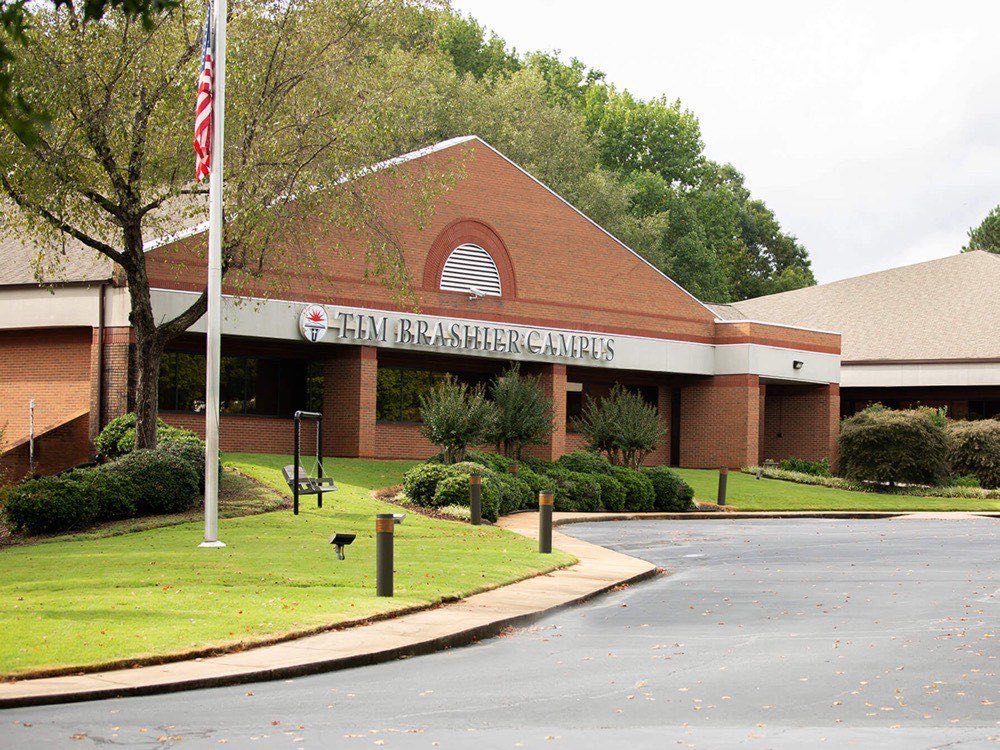
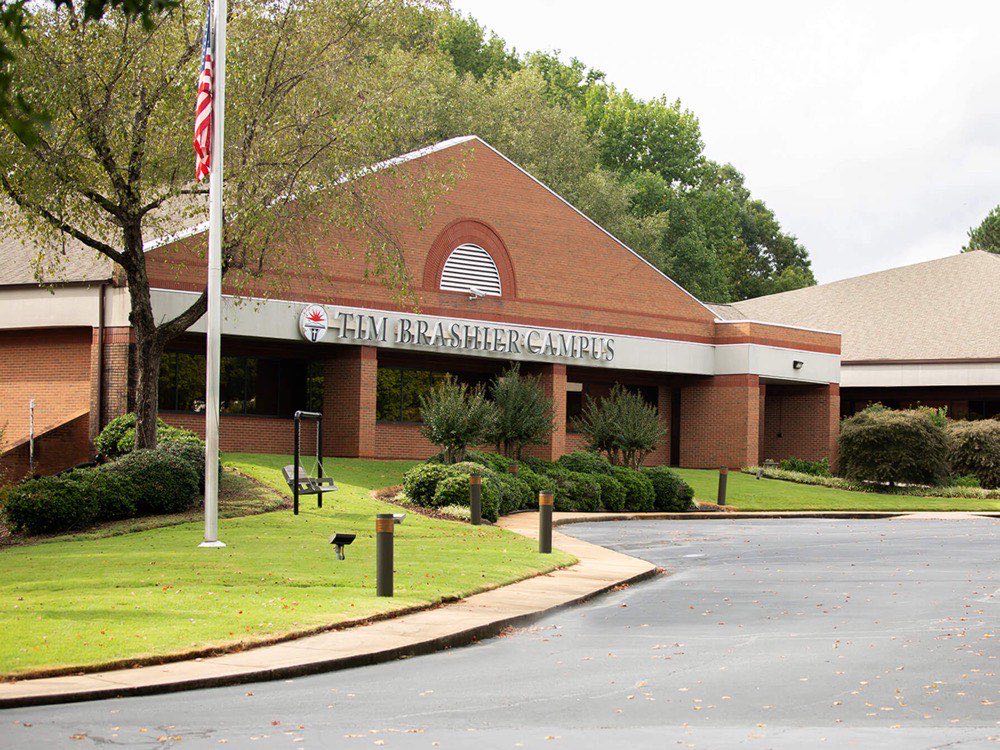
Problem-based learning and hands-on skills/simulation take place at the Tim Brashier campus in Greer.
Clinical education
Ten supervised practice experiences and coursework use regional affiliates. International options require prior domestic experiences and carry additional costs.
Summative education
Written, OSCE and technical-skills assessments accompany professional preparation and PANCE review.
The published phases add up to 24 months. Greer is the graduate PA teaching campus, separate from the Tigerville main campus.
The admitted class
Class of 2027
Published class statisticsThe overall figure is the undergraduate cumulative GPA.
Compare published cohorts
| Class | Published GPA | Published science-related GPA | Published experience hours |
|---|---|---|---|
| Class of 2027 | 3.78 | Not recorded | Not recorded |
Published class statistics describe the named cohort or population. They are not admission minimums or acceptance probabilities.
The program’s track record
Graduate outcomes
PANCE pass rates
See first-time program performance with clearly dated national context.
- First-time PANCE pass rate: 93%
- Five-year first-time PANCE pass rate: 95%
Accreditation history
ContinuedSources you can open
Links to the program’s own pages and the official directories we use.
- ARC-PA currently accredited programs — sponsoring-institution directory
- NGU PA Admissions and prerequisite FAQ
- North Greenville University curriculum and clinical training
- Program program page
- Program program page
- Program program page
About the U.S. News rank
The U.S. News PA rank uses the 2025 PA edition, matched to the listed program and campus. It reflects peer-assessed reputation, not admissions odds or a personal fit score. Programs without a separate entry are labeled “Unranked.”
How competitive are you for this program?
Match AI compares your full profile with this program and every other one, then sorts your list into Reach, Target and Safety.