Address & Contact

Our Address

A.T. Still University of Health Sciences (Central Coast) 1075 E Betteravia Rd, Suite 20 ,Santa Maria, California 93454

GPS

34.95303, -120.43572

Telephone
← Find PA SchoolsProgram profile
PROGRAM PROFILE

A.T. Still University of Health Sciences (Central Coast) Physician Assistant Program

Santa Maria, California · Master of Science in Physician Assistant Studies

Application deadline Oct 1, 2026Verified
Tuition Resident: $129,816 published full-program tuitionNonresident: $129,816 published full-program tuition · Confirm current entering cohort
Class size 90 studentsARC-PA’s maximum class size and the current program enrollment target are 90. PAEA’s unlabeled gender profile totals 92 and is not treated as the entering-class ceiling.
Program length 24 monthsFull program
Patient-care minimum No required minimumNo required clinical or patient-care-hour minimum; direct clinical experience is preferred. Preference is strongest for direct-care or clinical-decision roles and experience serving medically underserved communities. The page names nurse, paramedic, EMT, CNA, phlebotomist, PT, dental hygienist, qualified medical assistant, scribe, military medic, surgical technician and therapist roles.
Overall GPA minimum 3.00Supported by the current primary program source.
Science GPA minimum 3.00Supported by the current primary program source.
Recommendations Three letters through CASPA by the October 1 verified-application deadline; family members and personal friends are excluded.Suggested authors are employers, supervisors, medical providers, or academic instructors/professors who can address work ethic, academic potential and service commitment. No PA-specific letter is published as mandatory.
International applicants Not acceptedLimited by immigration and education status: the program cannot issue F-1 visas and requires a bachelor's degree from a U.S.-accredited college or university; DACA applicants may apply.. Applicants who do not need F-1 sponsorship should confirm eligibility before applying.
English proficiency / TOEFL Confirm with programNot published by the Central Coast PA program; confirm with admissions if English is not your first language.. ATSU publishes TOEFL/IELTS rules for other schools, but no CCPA-specific trigger, threshold, alternative, score-age limit or exemption. Do not import ASHS or CGHS rules into the College for Healthy Communities.
PANCE pass rate 71%First-time pass rate · Reporting year not recordedFive-year first-time: Not available yet
U.S. News PA rank Unranked2025 PA edition · Peer-assessed reputationNo published rank for this program in this edition.
THE PROGRAM

A closer look

A 24-month, 110-credit PA master’s program with a 66-credit didactic year and 44-credit clinical year focused on primary care in medically underserved communities. The California didactic campus is in a documented Santa Maria-to-San Luis Obispo transition.

66-credit didactic year and 44-credit clinical yearSeven five-credit Community Medical Experience rotationsClinical partnerships with community health centersPrimary care and medically underserved-community mission
Mission & approach

The Central Coast Physician Assistant program educates culturally competent physician assistants from diverse backgrounds to serve the primary care needs of medically underserved communities.

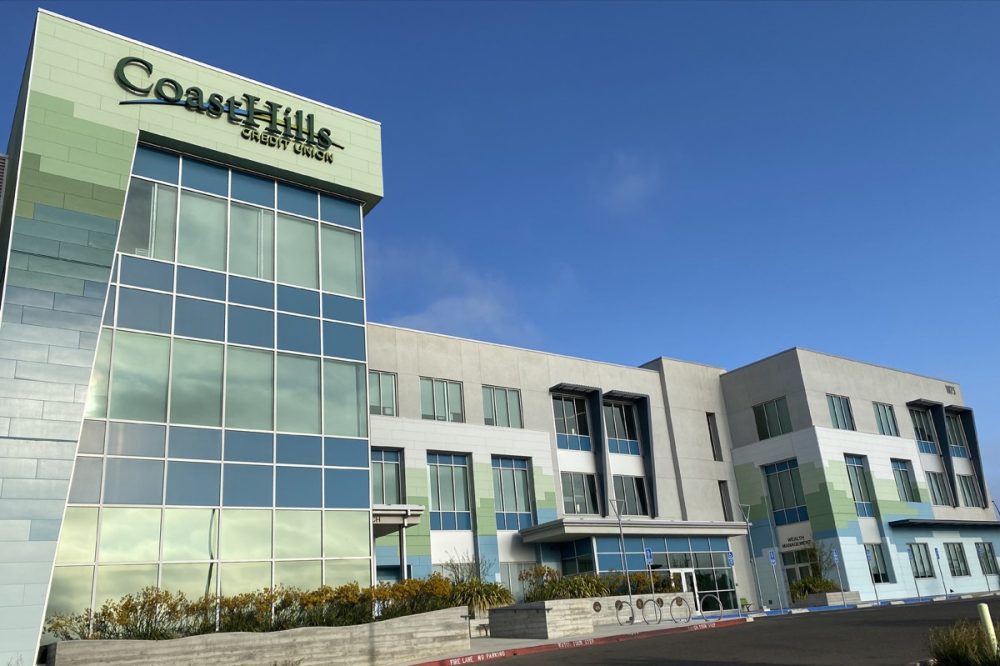
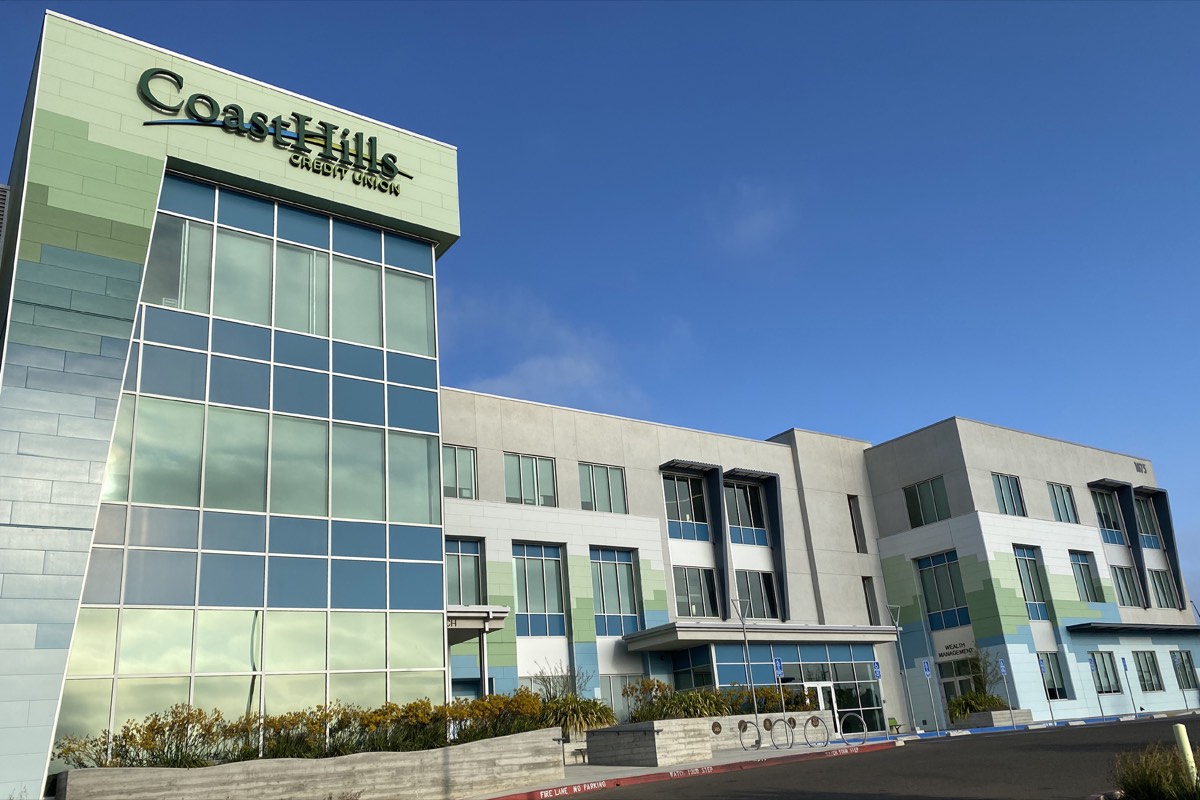
CoastHills building at 1075 West Betteravia Road in Santa Maria, home of A.T. Still University's Central Coast Physician Assistant program
The CoastHills building in Santa Maria; its second floor houses ATSU's Central Coast PA program. Image: Janene Scully / Noozhawk.
PREMIUM · MATCH AI

Is A.T. Still University of Health Sciences (Central Coast) a fit for you?

Unlock your personalized category, ranked school list, and reasons based on your profile. One Match AI purchase gives you the same results on PA School Finder and in your Toolkit.

SafetyTargetReachNot yet eligible
Unlock my school matches →
BEYOND THE NUMBERS

Admissions insights

What this program looks for in applicants

Holistic review preferences include first-generation applicants; direct patient-care experience, especially in underserved settings; community service; economically disadvantaged background; verified Central Coast residence; and qualifying Hometown Scholar or affiliate endorsements. Timely endorsed Hometown Scholars who otherwise qualify receive an interview, not admission.

Summarized from the program’s admissions information. Confirm current selection criteria with the program.

Program admissions information

How this program interviews

Virtual (Zoom)MMI + leadership Q&A + three individual faculty interviews

The current program page says interviews are virtual through Zoom and use an MMI format with a leadership Q&A and three individual faculty interviews. PAEA says Traditional and MMI and no required onsite interview. The direct program description controls delivery and detailed format.

Source checked Sep 13, 2026. Interview formats and dates can change between cycles.

Program interview information
YOUR STARTING POINT

Admissions & prerequisites

Admission requirements

GRE requirementGRE and CASPer are not required and will not be considered; other admissions tests are not published.Supported by the current primary program source.
Patient careNo required clinical or patient-care-hour minimum; direct clinical experience is preferred.Preference is strongest for direct-care or clinical-decision roles and experience serving medically underserved communities. The page names nurse, paramedic, EMT, CNA, phlebotomist, PT, dental hygienist, qualified medical assistant, scribe, military medic, surgical technician and therapist roles.
Overall GPA3.0 overall GPA minimum.Supported by the current primary program source.
Science GPA3.0 science GPA minimum.Supported by the current primary program source.
RecommendationsThree letters through CASPA by the October 1 verified-application deadline; family members and personal friends are excluded.Suggested authors are employers, supervisors, medical providers, or academic instructors/professors who can address work ethic, academic potential and service commitment. No PA-specific letter is published as mandatory.
International eligibilityLimited by immigration and education status: the program cannot issue F-1 visas and requires a bachelor's degree from a U.S.-accredited college or university; DACA applicants may apply.The program does not publish an exhaustive list of acceptable noncitizen statuses beyond DACA. Applicants who do not need F-1 sponsorship should confirm eligibility before applying.
English proficiencyNot published by the Central Coast PA program; confirm with admissions if English is not your first language.ATSU publishes TOEFL/IELTS rules for other schools, but no CCPA-specific trigger, threshold, alternative, score-age limit or exemption. Do not import ASHS or CGHS rules into the College for Healthy Communities.
ApplicationCASPA Verified by October 1, 2026The Class of 2029 cycle ran April 23 through October 1, 2026. CASPA must reach Verified status by October 1 with the application, transcripts and all three program-required letters. This deadline is still upcoming on the September 13 check date. Qualified applicants then receive a mandatory secondary due October 31, 2026. PAEA independently labels the October 1 deadline Green-Verified.
Secondary applicationRequired by October 31, 2026; $70 listed by PAEAAfter a Verified CASPA application, qualified candidates receive a mandatory secondary due October 31, 2026. PAEA lists a $70 fee and a fee waiver. The program page confirms the application and deadline but does not publish the fee amount.
EligibilityU.S. degree/coursework; DACA and out-of-state consideredThe degree and every prerequisite must come from U.S. institutions accredited by a U.S. Department of Education institutional accreditor. Foreign degrees and third-party equivalency reports are not accepted, and ATSU cannot issue an F-1 visa for this program. DACA and out-of-state applicants are considered; international applicants are not. TOEFL remains unconfirmed as a separate rule.
InterviewVirtual Zoom MMI plus leadership Q&A and three faculty interviewsThe current program page says interviews are virtual through Zoom and use an MMI format with a leadership Q&A and three individual faculty interviews. PAEA says Traditional and MMI and no required onsite interview. The direct program description controls delivery and detailed format.
ShadowingRecommended by PAEA; no minimumPAEA marks PA, physician and other-healthcare-provider shadowing recommended, not required, with virtual shadowing accepted. ATSU says it does not provide or coordinate applicant shadowing; that service statement does not itself define a requirement. No minimum number is published.
Deposit$250, nonrefundablePAEA lists a required nonrefundable $250 seat deposit. Its credit-to-tuition treatment is not stated in the reviewed sources, so it is not added to or subtracted from institutional cost totals.
Campus transitionSanta Maria listing preserved; San Luis Obispo move pending confirmationThe canonical row and existing Finder listing are Santa Maria. ATSU announced a move to 651 Tank Farm Road, San Luis Obispo and reported renovation in progress on August 27, 2026. Its current program page still conditions the move on completion of regulatory/accreditation approvals. PAEA already lists San Luis Obispo. Until completed relocation is independently confirmed, this packet preserves Santa Maria city, address field and coordinates and surfaces the transition visibly.

Prerequisite coursework

Semester and quarter credits

Review each course, its lab, and the program’s policies. Your links are planning records; the program decides equivalency.

CourseCreditsLabMin gradeYour coursework
Human anatomy with in-person lab
Course notes & alternatives

May be part of a combined Human A&P I/II sequence totaling 8 semester/12 quarter credits with both in-person labs.

4semester credits; 6 quarterRequiredCSign in to plan
Human physiology with in-person lab
Course notes & alternatives

Exercise science, animal and mammalian physiology do not substitute.

4semester credits; 6 quarterRequiredCSign in to plan
Microbiology with in-person lab
Course notes & alternatives

In-person laboratory required.

4semester credits; 6 quarterRequiredCSign in to plan
General chemistry I and II with in-person labs
Course notes & alternatives

Full sequence required; survey chemistry does not substitute.

8semester credits; 12 quarterRequiredCSign in to plan
Biochemistry OR organic chemistry
Course notes & alternatives

One of the two, not both. A lab is not required.

3semester credits; 4 quarterNot requiredCSign in to plan →This requirement needs an individual course review; completion has not been confirmed.
College statistics
Course notes & alternatives

Biostatistics or psychology statistics accepted.

3semester credits; 4 quarterNot specifiedCSign in to plan
Medical terminology
Course notes & alternatives

Must be a college-credit course; certificate or work experience does not substitute.

1semester or quarter creditNot specifiedCSign in to plan

Policies that can change your plan

Course recency and completion
All prerequisites must be within seven years of the application date. Up to two may be in progress at application and must be documented complete with C or higher by July 1 before matriculation. For the October 2027 start, July 1, 2027 is the applicable completion date.
AP/CLEP prerequisite credit
Current admissions materials do not state whether undergraduate AP or CLEP transcript credit satisfies prerequisites. The page’s “no advanced placement” language addresses advanced standing/transfer into the PA curriculum, so it is not projected as an AP/CLEP prerequisite ban. The filter remains blank pending confirmation.
Patient-care experience
There is no required clinical or direct patient-care hour minimum. ATSU prefers hands-on direct-care experience, especially in medically underserved settings; examples include medical assistant, EMT, scribe, CNA, nurse, military medic, surgical technician and therapist. PAEA likewise marks paid and volunteer direct care recommended with no number published. Missing hours are not zero hours.
Recommendation letters
ATSU’s current admissions page twice requires three recommendation letters by the October 1 CASPA Verified deadline. Suggested evaluators are employers, supervisors, medical providers or academic instructors/professors; family and friends are excluded. The PAEA entry still says two letters and lists evaluator categories. The program page controls the count, while the conflict remains visible. No PA-specific letter is mandatory.
Tests
GRE and CASPer are explicitly not required and will not be considered. The program-maintained PAEA directory lists no standardized test as required, supporting PA-CAT not required. Neither reviewed source states a TOEFL rule; TOEFL remains Check Program rather than being inferred from international ineligibility.
Selection
Holistic review preferences include first-generation applicants; direct patient-care experience, especially in underserved settings; community service; economically disadvantaged background; verified Central Coast residence; and qualifying Hometown Scholar or affiliate endorsements. Timely endorsed Hometown Scholars who otherwise qualify receive an interview, not admission.
Costs and cohort basis
The reviewed ATSU table does not yet publish Class of 2029 prices. For Class of 2028, tuition rows total $129,816 and required technology/equipment fees total $7,758, reconciling exactly to ATSU’s published $137,574 institutional total. Rates may change annually. PAEA lists $120,200 tuition without a visible cohort/basis, conflicting with ATSU’s Class of 2028 tuition rows. The official cohort-qualified amount controls; neither amount is presented as a confirmed Class of 2029 bill.
Campus relocation
The canonical row and existing Finder listing are Santa Maria. ATSU announced a move to 651 Tank Farm Road, San Luis Obispo and reported renovation in progress on August 27, 2026. Its current program page still conditions the move on completion of regulatory/accreditation approvals. PAEA already lists San Luis Obispo. Until completed relocation is independently confirmed, this packet preserves Santa Maria city, address field and coordinates and surfaces the transition visibly.
Advanced standing
No advanced standing, PA-program transfer credit or credit for prior professional experience. Every admitted student completes the full CCPA curriculum.
Clinical placements
The clinical year includes seven Community Medical Experience courses. The historical fact sheet describes community health center training in family medicine, internal medicine, pediatrics, behavioral health, women’s health, surgery and emergency medicine; the current FAQ says rotations occur across the United States.
Employment
The program is full time and does not offer a part-time option. The reviewed frozen sources do not state an employment policy.
Health requirements
Personal health insurance is required. The reviewed frozen sources do not establish additional immunization, clinical-partner, placement or graduation consequences.
PANCE reporting
Latest published first-time PANCE result is 71% for 82 first-time takers in 2025; ATSU does not publish the passed-count numerator. Earlier periods are 68% of 88 takers in 2023 and 56% of 81 in 2024. Only three graduating cohorts are published, so no five-year aggregate is asserted. Rounded rates must not be reverse-engineered into exact pass counts. Ultimate-pass rates are a different metric: 95%, 91% and 89%.
Attrition reporting
ATSU reports Class of 2025 entering 90, graduates 80, attrition 11.1% and graduation 88.9%; Class of 2024 entering 90, graduates 82, attrition 8.9%; Class of 2023 entering 90, graduates 90, attrition 2.2%. The source’s cohort accounting can include attrition/deceleration movement, so graduates are reproduced exactly and no missing numerator is inferred from simple subtraction.
Catalog access
The linked ATSU University Catalog returned HTTP 403 to the research tools. Current program-page course and policy text was frozen, but catalog-only language remains a review hold.

Required prerequisite coursework: human anatomy 4 semester/6 quarter credits with in-person lab; human physiology 4/6 with in-person lab; microbiology 4/6 with in-person lab; general chemistry I and II 8/12 with in-person labs and the full sequence; biochemistry OR organic chemistry 3/4 with no lab required; statistics or biostatistics/psychology statistics 3/4; and one credit of college medical terminology. All need C or higher. General psychology is not a separate prerequisite. Human A&P I/II may replace separate anatomy/physiology if it totals 8 semester/12 quarter credits and both labs are in person.

When courses must be complete: All prerequisites must be within seven years of the application date. Up to two may be in progress at application and must be documented complete with C or higher by July 1 before matriculation. For the October 2027 start, July 1, 2027 is the applicable completion date.

BUILD YOUR TIMELINE

Dates & application steps

CASPA Verified deadlineOct 1, 2026

The Class of 2029 cycle ran April 23 through October 1, 2026. CASPA must reach Verified status by October 1 with the application, transcripts and all three program-required letters. This deadline is still upcoming on the September 13 check date. Qualified applicants then receive a mandatory secondary due October 31, 2026. PAEA independently labels the October 1 deadline Green-Verified.

Published date
Mandatory secondary application deadlineOct 31, 2026

After a Verified CASPA application, qualified candidates receive a mandatory secondary due October 31, 2026. PAEA lists a $70 fee and a fee waiver. The program page confirms the application and deadline but does not publish the fee amount.

Published date
Bachelor degree conferral deadlineSep 1, 2027

The Class of 2029 admissions page requires the U.S.-accredited bachelor degree by September 1, 2027.

Published date
Outstanding prerequisite completion deadlineJul 1, 2027

All prerequisites must be within seven years of the application date. Up to two may be in progress at application and must be documented complete with C or higher by July 1 before matriculation. For the October 2027 start, July 1, 2027 is the applicable completion date.

Published date
Class of 2029 startOctober 2027

PAEA publishes October 2027; no exact day was verified.

Class of 2029 cycle openedApr 23, 2026 · Passed

The admissions page gives April 23, 2026; this date was already past when checked.

Published date
Ready to start an application plan?

Keep your essays, checklist, and personal targets together.

Plan application →
THE FINANCIAL PICTURE

Know what the total includes

Published cost estimate

Class of 2028 institutional charges; Class of 2029 prices not yet published
Resident tuition$129,816 published full-program tuition
Nonresident tuition$129,816 published full-program tuition

Confirm current entering cohort

Required program fees$7,758
Tuition + required feesExcludes living and other expenses
$137,574

The reviewed ATSU table does not yet publish Class of 2029 prices. For Class of 2028, tuition rows total $129,816 and required technology/equipment fees total $7,758, reconciling exactly to ATSU’s published $137,574 institutional total. Rates may change annually. PAEA lists $120,200 tuition without a visible cohort/basis, conflicting with ATSU’s Class of 2028 tuition rows. The official cohort-qualified amount controls; neither amount is presented as a confirmed Class of 2029 bill.

See additional expenses & assumptions
Class of 2028 year 1 tuition$48,682
Class of 2028 year 2 tuition$64,904
Class of 2028 year 3 tuition$16,230
Technology fees$2,968
Medical equipment/lab fees$4,790
Published institutional total$137,574
PAEA tuition — conflicting cohort/basis$120,200

48,682 + 64,904 + 16,230 = 129,816 tuition; 1,484 + 1,484 + 2,590 + 2,200 = 7,758 fees; 129,816 + 7,758 = 137,574. No Class of 2029 extrapolation. No multi-cohort aid-budget sum.

Plan for the application, too.

Keep application fees separate from the cost of attending.

HOW YOU’LL LEARN

Curriculum & clinical training

01Didactic year — 66 credits

Terms 1-4

Primarily in-person instruction with less than 10% asynchronous work.

02Clinical year — 44 credits

Terms 5-8

Seven five-credit Community Medical Experience courses, two Transition to Practice courses totaling six credits and three one-credit clinical seminars.

The program is 24 months and 110 credits: 66 didactic and 44 clinical. Seven five-credit Community Medical Experience courses plus Transition to Practice I/II (2 and 4 credits) and three one-credit seminars total 44 clinical credits. The didactic phase is primarily in person, with less than 10% asynchronous work; San Luis Obispo delivery is conditioned on the planned relocation.

ATSU CCPA program, admissions, curriculum, outcomes and FAQs Class of 2029 admissions cycle; current curriculum/outcomes · Checked 2026-09-13
WHO STUDIES HERE

The admitted class

PAEA matriculant profile — cohort not identified

Published class statistics
Overall GPA3.40
Science GPA3.20
Patient-care hoursNot recorded
Compare published cohorts
ClassPublished GPAPublished science-related GPAPublished experience hours
PAEA matriculant profile — cohort not identified3.403.20Not recorded

PAEA, updated February 10, 2026, reports matriculant overall GPA 3.4 and science GPA 3.2. It does not label the cohort/year. Gender counts sum to 92, so the directory metrics are not relabeled as the planned 90-seat Class of 2029. The older 2024 fact sheet reports 3.27 overall and 3.16 science.

Published class statistics describe the named cohort or population. They are not admission minimums or acceptance probabilities.

OUTCOMES & OVERSIGHT

The program’s track record

Graduate outcomes

PANCE pass rates

See first-time program performance with clearly dated national context.

  • First-time PANCE pass rate: 71%

Program reporting year not recorded; direct comparison unavailable.

  • Five-year first-time PANCE pass rate: Not available yet

Five-year first-time results are not yet available.

Graduation & attrition

2025 graduating cohort

Published attrition11.1%
Entering students90
Graduates80

ATSU reports Class of 2025 entering 90, graduates 80, attrition 11.1% and graduation 88.9%; Class of 2024 entering 90, graduates 82, attrition 8.9%; Class of 2023 entering 90, graduates 90, attrition 2.2%. The source’s cohort accounting can include attrition/deceleration movement, so graduates are reproduced exactly and no missing numerator is inferred from simple subtraction.

Accreditation history

Continued
First accreditedJune 25, 2021
Next reviewJanuary 2036
  1. June 25, 2021First accredited

    ARC-PA first accredited the program and approved a maximum class size of 90.

  2. September 2025Final Provisional review

    ARC-PA retained the maximum class size of 90.

  3. January 2026Accreditation-Continued

    ARC-PA reported sufficient compliance, zero areas of noncompliance and one new observation.

  4. January 2036Next validation review

    The current ARC-PA directory and history both list January 2036.

ARC-PA lists first accreditation June 25, 2021, Accreditation-Continued after the January 2026 Final Provisional review, maximum class size 90 and next review January 2036. The history says zero areas of noncompliance and one new observation; the extracted evidence did not expose enough text to characterize that observation.

CHECK THE EVIDENCE

Sources you can open

Follow the source for the policy or cohort you are reviewing. A check date is separate from the year a figure describes.

Rankings & information still to verify

The U.S. News PA rank uses the 2025 PA edition, matched to the listed program and campus. It reflects peer-assessed reputation, not admissions odds or a personal fit score. Programs without a separate entry are labeled “Unranked.”

Unpublished policies and unverified cohort statistics are left open for confirmation.

PA School Finder × PA Life Applicant ToolkitOne program record. One application plan.