Tuition + fees $110,620
Estimated full-program tuition from published 2026–27 MSPAS schedule
A closer look
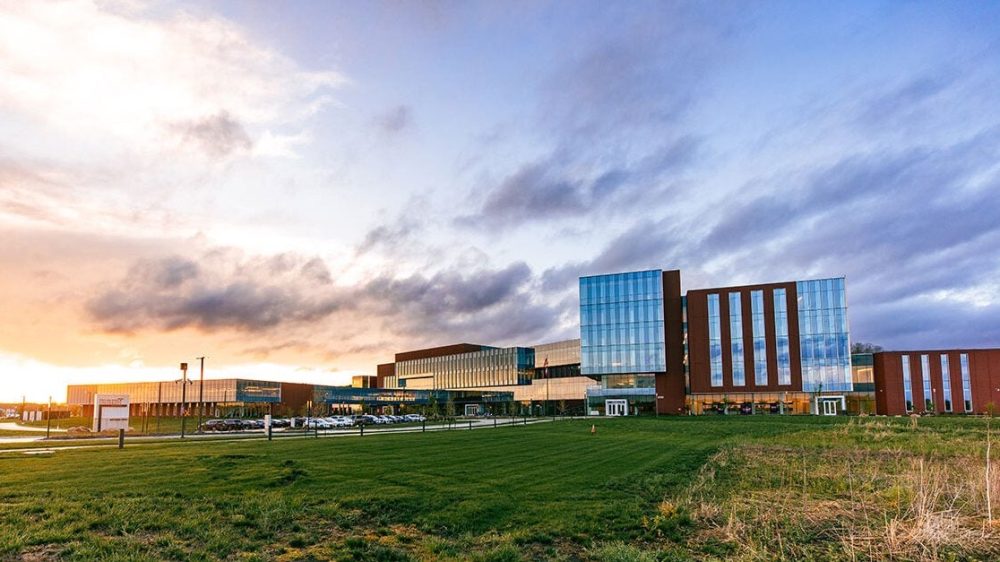
A 26-month, on-campus PA program in West Des Moines, Iowa, with about 65 seats per class.
Mission & approach
To develop highly competent and compassionate physician assistants who are committed to patient-centered care.
Check my fit with this school
Check three basics
Enter any GPA or patient care hours you know. We’ll compare them with this school’s published numbers. This is a starting point, not an eligibility decision.
The quick check needs JavaScript.
Admissions insights
What this program looks for in applicants
Interview-candidate selection based on academic potential, healthcare experience, letters of recommendation, and personal statement. Interview is competency-based: an asynchronous assessment plus a synchronous virtual group or in-person experience. Military patient-care experience (combat medic, etc.) is especially competitive. PA shadowing required and typically expected before applying. No…
Summarized from the program’s admissions information. Confirm current selection criteria with the program.
Program admissions informationAdmissions & prerequisites
Admission requirements
Prerequisite coursework
Semester hours by subjectReview each course, its lab, and the program’s policies. Your links are planning records; the program decides equivalency.
Courses shown as alternatives in the table are not all required. Confirm the accepted route with the program.
- Statistics option: Statistics OR Biostatistics
| Course | Credits | Lab | Min grade |
|---|---|---|---|
Human Anatomy1 course(s)Course notes & alternativesOne semester, with a lab if one is offered. It counts toward the 16 biology semester hours; no minimum credits for this individual course are published. | Not publishedSemester hours by subject | Not specified | C |
Physiology1 course(s)Course notes & alternativesOne semester, with a lab if one is offered. It counts toward the 16 biology semester hours; no minimum credits for this individual course are published. | Not publishedSemester hours by subject | Not specified | C |
Microbiology1 course(s)Course notes & alternativesOne semester, with a lab if one is offered. It counts toward the 16 biology semester hours; no minimum credits for this individual course are published. | Not publishedSemester hours by subject | Not specified | C |
Genetics1 course(s)Course notes & alternativesOne semester, with a lab if one is offered. It counts toward the 16 biology semester hours; no minimum credits for this individual course are published. | Not publishedSemester hours by subject | Not specified | C |
Inorganic Chemistry1 course(s)Course notes & alternativesOne semester, with a lab if one is offered. It counts toward the 15 chemistry semester hours; no minimum credits for this individual course are published. | Not publishedSemester hours by subject | Not specified | C |
Organic Chemistry1 course(s)Course notes & alternativesOne semester, with a lab if one is offered. It counts toward the 15 chemistry semester hours; no minimum credits for this individual course are published. | Not publishedSemester hours by subject | Not specified | C |
Biochemistry1 course(s)Course notes & alternativesOne semester, with a lab if one is offered. It counts toward the 15 chemistry semester hours; no minimum credits for this individual course are published. | Not publishedSemester hours by subject | Not specified | C |
Psychology course other than Abnormal Psychology1 course(s)Course notes & alternativesAt least six psychology semester hours in total, including Abnormal Psychology. The other course and the credits for each individual course are not specified. | Not publishedSemester hours by subject | Not specified | C |
Abnormal Psychology1 course(s)Course notes & alternativesRequired within six psychology semester hours total. | Not publishedSemester hours by subject | Not specified | C |
| Statistics1 course(s) One course; Biostatistics is an accepted alternative. | Not publishedSemester hours by subject | Not specified | C |
| Biostatistics1 course(s) Alternative to Statistics; one course. | Not publishedSemester hours by subject | Not specified | C |
Medical Terminology1 course(s)Course notes & alternativesOne course. | Not publishedSemester hours by subject | Not specified | C |
Policies that can change your plan
- Course credits
- 16 biology hours, including Anatomy, Physiology, Microbiology, and Genetics; 15 chemistry hours, including Inorganic, Organic, and Biochemistry; 6 psychology hours, including Abnormal Psychology; one Statistics or Biostatistics course; and one Medical Terminology course.
- Labs and recency
- Biology and chemistry labs required when available. Completion within five years is highly recommended, not required.
- Application eligibility
- Bachelor’s degree and prerequisites from regionally accredited U.S. institutions. No separate science GPA minimum is published.
- International and English policy
- The program does not publish a clear citizenship or visa exclusion or a TOEFL score. U.S. degree and transcript requirements apply. Confirm your eligibility and English-test rules with Admissions.
- Total credit requirements
- 16 biology, 15 chemistry, and 6 psychology semester hours. Credits for each individual course are not specified.
- Labs
- Required for biology and chemistry courses when a lab is available; the program reviews transcripts to confirm availability.
- Recency
- Biology/chemistry within five years is highly recommended, not a hard expiration.
- Credit and grade
- C or better; regionally accredited U.S. institution; AP, CLEP and pass/fail not accepted except potential COVID pass/fail special consideration.
Dates & application steps
Applications must be submitted by the deadline.
Know what the total includes
Projected cost estimate
Estimated full-program tuition from published 2026–27 MSPAS schedule$110,460 documented program schedule · Current published schedule; future rates can change. Excludes listed fees and living costs.
DMU's 2026–27 MSPAS schedule lists tuition of $55,230 for year one, $44,184 for year two, and $11,046 for year three, for a total of $110,460. DMU calls this an estimate and warns that rates can change. First-year AAPA, IPAS, and background-check fees add $160. Insurance, living costs, books, and transportation are additional.
See additional expenses & assumptions
Confirm insurance, deposit treatment, and personal expense assumptions with the program.
Curriculum & clinical training
Didactic study
Basic and clinical sciences, reasoning, pharmacotherapeutics, ethics, health systems, and wellness are supported by simulation and interprofessional learning.
Clinical coursework
Clinical training includes 44 weeks of supervised experiences and a capstone project that may address community outreach or local care needs.
The MSPAS program lasts 26 months. A complete list of specialty rotations is not published — check with the program.
The admitted class
Published class statistics describe the named cohort or population. They are not admission minimums or acceptance probabilities.
The program’s track record
Graduate outcomes
PANCE pass rates
See first-time program performance with clearly dated national context.
- First-time PANCE pass rate: 98%
- Five-year first-time PANCE pass rate: 98%
Accreditation history
ContinuedSources you can open
Links to the program’s own pages and the official directories we use.
- Current DMU MSPAS catalog, prerequisites/admission rules
- PA School Finder deadline record
- ARC-PA currently accredited programs — sponsoring-institution directory
- DMU MSPAS 2026–27 tuition and fees
- Des Moines University program page
- Des Moines University curriculum
- Current DMU MSPAS admissions and contact
- DMU MSPAS faculty and admissions contact
- DMU MSPAS FAQ, tuition estimate and admissions email
About the U.S. News rank
The U.S. News PA rank uses the 2025 PA edition, matched to the listed program and campus. It reflects peer-assessed reputation, not admissions odds or a personal fit score. Programs without a separate entry are labeled “Unranked.”
How competitive are you for this program?
Match AI compares your full profile with this program and every other one, then sorts your list into Reach, Target and Safety.